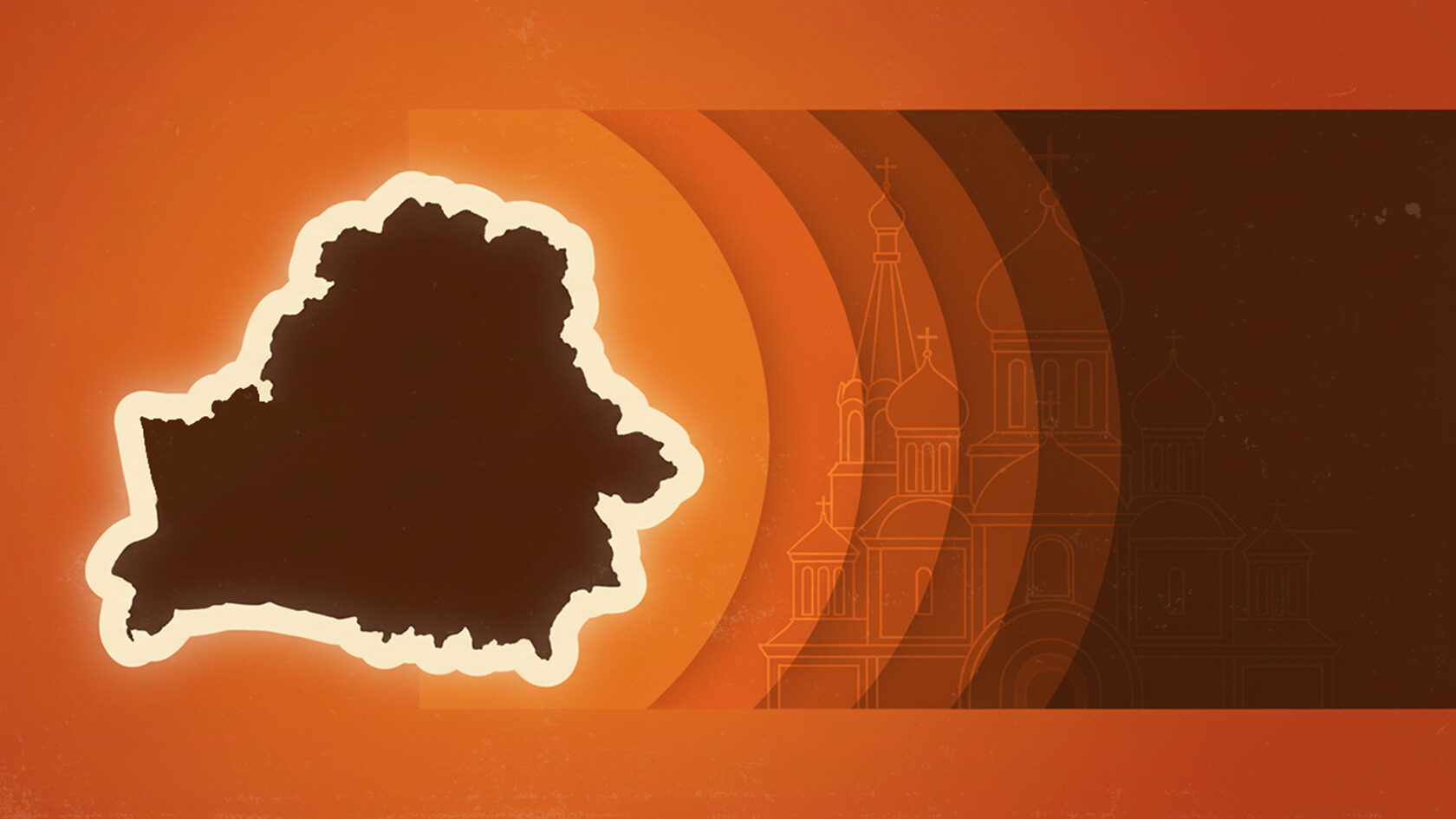
This publication brings together analytical work on how Belarus is being reshaped under the expanding ideological, institutional, and socio-economic pressure of the Kremlin’s so-called “Russkiy Mir”. Across culture, education, religion, regional cooperation, information space, and economic dependency, the papers examine how hybrid influence undermines Belarusian sovereignty, weakens democratic resilience, and creates risks for European security.
The page provides access to two separate downloads:
first, a full collection of five thematic papers focused on key vectors of hybrid influence; second, a standalone policy paper that synthesises the broader post-2020 context and formulates policy options for the European Union, the international community, and civil society.
Full collection: five papers
first, a full collection of five thematic papers focused on key vectors of hybrid influence; second, a standalone policy paper that synthesises the broader post-2020 context and formulates policy options for the European Union, the international community, and civil society.
Full collection: five papers
- Belarus under the “Russian World”: Hybrid Aggression of the Kremlin (policy brief)
- In the Trap of the “Russian World”: How to Preserve Belarusian and European Identities in Culture and Education
- Religious Communities of Belarus in the Shadow of the “Russian World”
- Between Strasbourg and Moscow: Cross-Border Cooperation of Belarusian Regions
- Investing in Change, not Isolating: How the West Can Support the Democratization of Belarus
Together, these papers provide strategic insights and practical recommendations for democratic actors and European policymakers on countering the “Russian world” while strengthening Belarus’s European identity and long-term independence.
Standalone policy paper: EU policy options
“Belarus in the shadow of the ‘Russkiy Mir’: Policy Options for the EU, the International Community and Civil Society” offers a comprehensive analysis of Belarus under deepening authoritarianism and growing Russian influence, particularly since the 2020 political crisis and Russia’s full-scale war against Ukraine in 2022. It explains how sanctions and political isolation accelerated economic dependence on Russia, while Russification and the ideological expansion of the “Russkiy Mir” pose long-term risks to identity and sovereignty.
Despite repression and isolation, the paper highlights societal resilience inside the country and among the post-2020 diaspora, including decentralised solidarity networks, civic and cultural resistance, independent media, and initiatives in exile. It also provides a critical assessment of the current EU approach and argues for a clearer long-term strategy that combines pressure on the regime with structured support for democratic actors and civil society, including reintegration planning for a post-transition Belarus.
The paper is based on the discussions and outcomes of the international conference “Belarus in the Shadow of the ‘Russkiy Mir’: Challenges and Civil Society Responses”, held on 12 December 2025 in Warsaw, as part of the IDSMBEE project “Five Years of Resistance: Quo Vadis, Belarus?”.
Despite repression and isolation, the paper highlights societal resilience inside the country and among the post-2020 diaspora, including decentralised solidarity networks, civic and cultural resistance, independent media, and initiatives in exile. It also provides a critical assessment of the current EU approach and argues for a clearer long-term strategy that combines pressure on the regime with structured support for democratic actors and civil society, including reintegration planning for a post-transition Belarus.
The paper is based on the discussions and outcomes of the international conference “Belarus in the Shadow of the ‘Russkiy Mir’: Challenges and Civil Society Responses”, held on 12 December 2025 in Warsaw, as part of the IDSMBEE project “Five Years of Resistance: Quo Vadis, Belarus?”.
Downloads
Download the full collection “Belarus under the “Russian World”: Hybrid Aggression of the Kremlin” here:
Click to download the analytical papers (Google Drive link)
Download the standalone policy paper “Belarus in the shadow of the ‘Russkiy Mir’: Policy Options for the EU, the International Community and Civil Society”:
Click to download the analytical papers (Google Drive link)
Click to download the analytical papers (Google Drive link)
Download the standalone policy paper “Belarus in the shadow of the ‘Russkiy Mir’: Policy Options for the EU, the International Community and Civil Society”:
Click to download the analytical papers (Google Drive link)